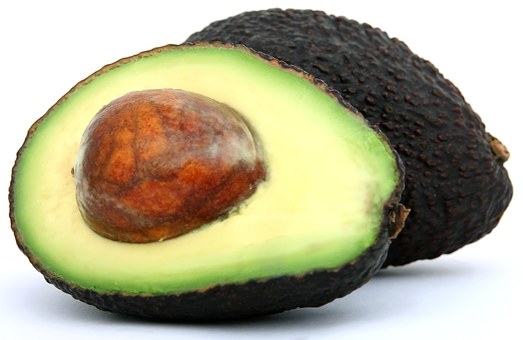
A topic that makes us often roll our eyes: fat. While a lot of us complain about having too much fat, others can rightfully grumble about not having enough. Wouldn’t it be nice if we could just give our excess to those who want it? Besides making us gain weight, what is its purpose? Do we need to eat fat?
Believe it or not, we need fat. It keeps our skin from looking dull, ashy, and dry. It also helps our bodies absorb fat-soluble vitamins like A, D, E, and K. Additionally, fats are important for hormone production, cell growth, protecting the organs, and keeping our bodies warm.
All fat is not created equally! While there are some excellent sources of fat, there are also those that we want to avoid or severely limit. Unsaturated fats are great at increasing our “good” cholesterol levels (HDL) and decreasing the “bad” (LDL) levels. These include plant oils as well as Omega-3 and Omega-6 oils. Saturated fats are most often found in animals and their food products. Trans fats generally are those that have been modified or changed due to processing, and these fats raise “bad” cholesterol. Below are some food sources for the different types of fat:
- Monounsaturated: avocado, nuts, canola oil, olive oil
- Polyunsaturated: fish, flax seed, safflower oil, soybean oil, walnuts
- Saturated: cheese, pizza, beef, pork, milk, ice cream, pastries, cookies, creams
- Trans: anything with partially hydrogenated oils
An easy way to tell if a fat source is healthy or unhealthy is to observe it at room temperature. If the fat turns solid at room temperature, it is not a good choice. On the other hand, if the fat remains liquid at room temperature it is a better choice.
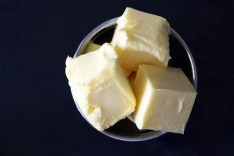
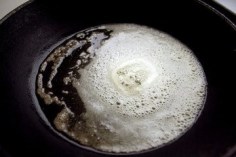
Here’s a visual: We are going to use butter. When you buy butter at the store it is a solid and hard. When it sits out at room temperature, it may not be quite as hard, but it is still solid. However, when you heat butter, the fat is now completely liquid and easy to pour. After you let it sit and cool off, what happens? That liquid fat goes right back to being solid. This is the type of fat that we must watch carefully in our diets. Olive oil, on the other hand, will remain liquid whether it is at room temperate, heated or cooled. This is what we want to get more of in our diets.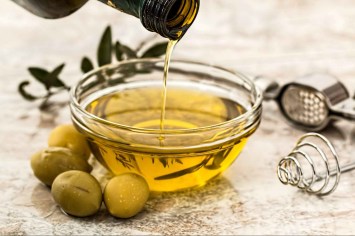 Do you want the know the appropriate levels of fat to consume in your diet? Would you like ideas on how to incorporate fat in your current regime or tasty recipes? If you answered yes to these questions, send me an email and let’s map out a plan made just for you!
 Kwynntessential Solutions