Iron is the mineral that is responsible for giving blood its red color. This mineral is important because it helps build a protein that carries oxygen throughout the body. Our organs and muscles need oxygen in order to function properly, so when our iron levels drop, sufficient levels of oxygen are not being delivered, and we begin to feel weak, tired, or dizzy. A low iron level is also known as iron-deficiency anemia. This type of anemia is usually diagnosed when there is a low level of red blood cells present. There are 2 types of anemia – iron-deficiency anemia and pernicious anemia. Of course, iron-deficiency anemia is the lack of sufficient iron in the blood. Pernicious anemia, on the other hand, is the lack of sufficient, healthy red blood cells (due to vitamin B12 deficiency). If you are anemic, be sure to know which type of anemia you have so that you can treat it appropriately.
Iron can be found in a variety of foods, especially meats. If you are vegetarian or vegan, it is important to make sure that you eat non-meat dietary sources of iron each day. Here is a list of foods that are high in iron:
- Lean red meat
- Turkey or chicken
- Fish
- Eggs
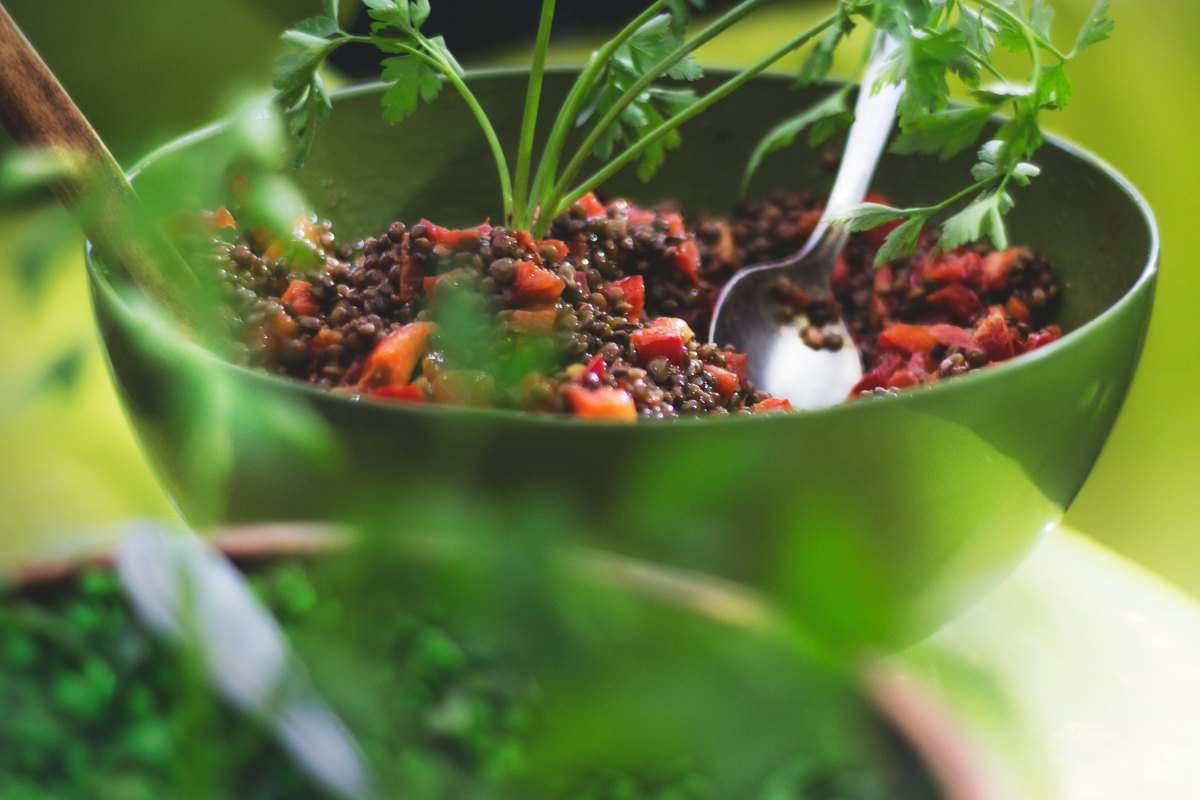
- Pulses (beans, peas, lentils, etc.)
- Nuts
- Tofu
- Leafy green vegetables (especially kale)
- Broccoli
When iron and calcium compete for absorption, calcium will win. This means that you will not be able to absorb iron when consuming it with calcium-rich foods. However, foods that are high in vitamin C will improve your absorption of iron.
As always, speak with a health professional before taking an iron supplement. With this mineral, there is such a thing as having too much. You also want to be sure that the treatment method is actually working.
As a health professional, I help clients to improve their overall health. Contact me for your free consultation – I would love to work with you!
 Kwynntessential Solutions