5 Reasons to take Potassium Seriously

Potassium is a mineral used by almost every organ and system in the body.  We find this mineral in the foods we eat.  Outside of preventing and alleviating muscle cramps, research shows that potassium has many other benefits to our health.  Here are some of the benefits of the mineral:

  • It decreases the risk of high blood pressure, especially if the diet contains high amounts of sodium.  High blood pressure is a risk factor for strokes and heart disease.
  • It decreases the risk of developing kidney stones.
  • It improves bone health.  When potassium levels are low, our bones start to leak calcium, which then deposits into the kidneys.  Getting enough potassium increases our bone density.
  • It helps to control blood sugar.  An inadequate intake of potassium can lead to a prolonged increase in blood sugar.  This can cause insulin resistance in the body, which is a major contributor to Type 2 Diabetes Mellitus.
  • It decreases the risk of pica (the craving for non-food items).  Individuals with low potassium may crave or eat clay.

Here are some foods that are naturally high in potassium:

  • Bananas
  • Oranges
  • Leafy green vegetables
  • Tomatoes
  • Beans
  • Potatoes

Some signs that your potassium levels are low include tiredness, muscle weakness, feeling ill, the inability to focus, an irregular heart beat, or increased urination. While our body will filter out any extra potassium into our urine, some people are at risk for having too much in the blood stream.  Those most commonly at risk for this are people with chronic kidney disease.  A supplement is not usually necessary, so please speak with a health professional before considering one.

As a Registered Dietitian, I am a health professional, and for the month of October, I am offering FREE consultations to potential clients!  Click here to get on my schedule – I’d love to help you achieve your health goals.
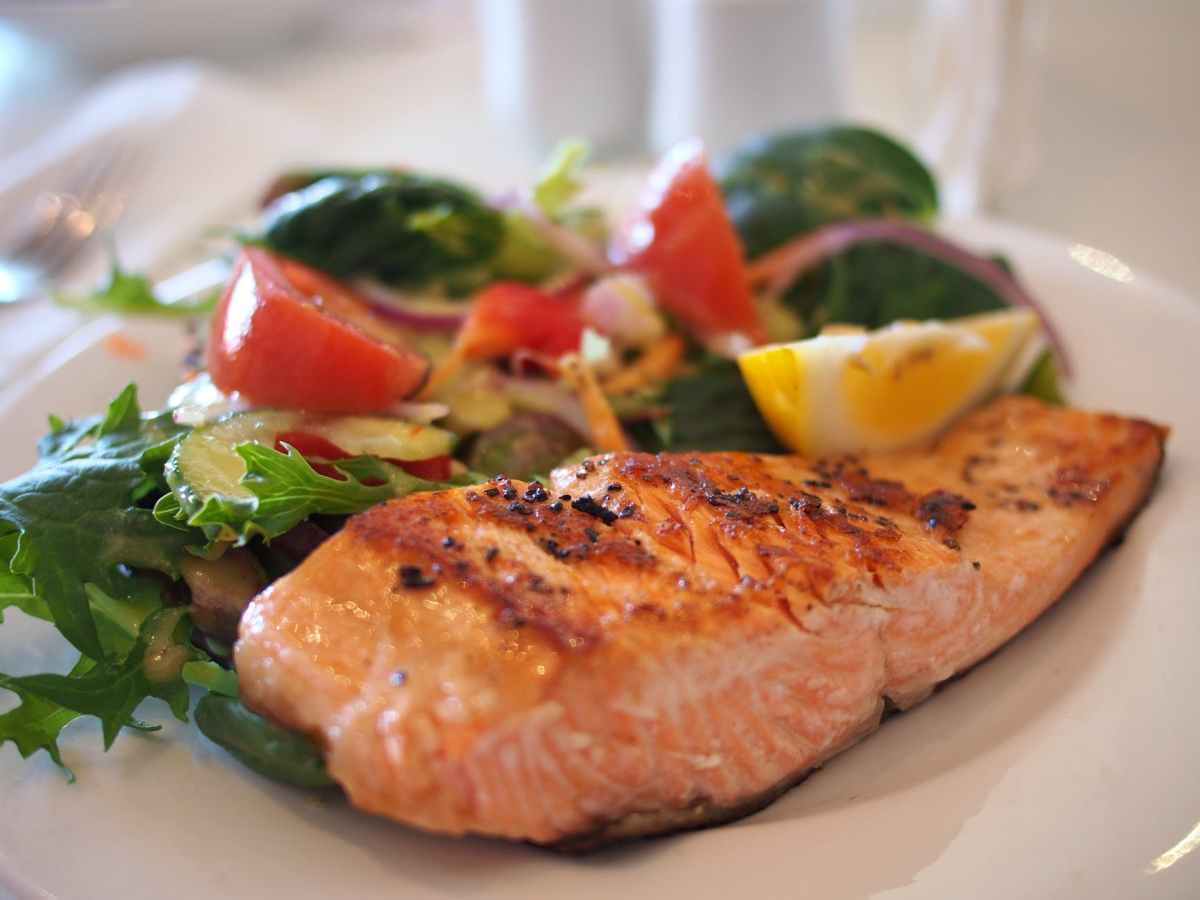
7 Foods High in Phosphorus

Phosphorus is the second most abundant mineral in the body.  Most of the phosphorus is stored in the bones and teeth because it is essential for their formation.  However, this mineral is needed by every single cell in the body because phosphorus makes up the outer layer of the cell.  Once consumed, phosphorus is absorbed in the small intestine, and any extra phosphorus is filtered out by the kidneys and excreted in the urine to prevent toxic effects.  Those who have kidney failure are at risk of increased phosphorus levels in the body, and this could potentially lead to heart problems.

Dietary deficiency, or low phosphorus levels, is uncommon.  Some symptoms of low phosphorus include muscle weakness, numbness of the fingers and toes, and loss of appetite.  PLEASE seek medical attention before increasing your phosphorus levels or taking a supplement, as exposing your body to too much will overwork the kidneys, and they don’t like to be overworked.  Do you?

There are plenty of dietary sources of phosphorus.  Here are a few healthy foods to consider eating to make sure that you meet your daily recommended amounts:

  • Salmon
  • Plain yogurt
  • Skim milk
  • Chicken breasts
  • Almonds
  • Cooked lentils
  • Boiled eggs

As I often mention, it is so important to eat your colors throughout the day – this is how we ensure that we are getting the various vitamins and minerals we need in our diets on a consistent basis.  If we only focus on one food group or one color, we put ourselves at risk for deficiency and/or toxicity.  If you need help finding some balance in your diet, schedule a consultation right away – I am ready to help!

Let’s Celebrate! (Hispanic Heritage Month)

We are currently in the middle of Hispanic Heritage Month.  This is a time where we celebrate those of Hispanic or Latino descent, and give recognition to the positive influences this group has had on our country.  

Fun Fact: Approximately 18% of the U.S. population identify as Latinx or Hispanic.

In the field of nutrition, it is important that dietitians consider cultural influences that play a role in an individual’s food choices.  Completely stripping people from their roots simply for the sake of imposing recommendations could backfire and cause the client to lose faith in what we do.  The best way to encourage healthy changes to a diet is to meet the individual where they are.

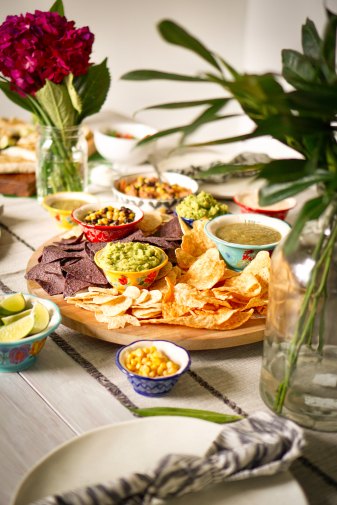
Mexican dish

So, how do we eat our favorite foods guilt-free?  Consider finding ways to make traditional dishes more nutritious!  Here are some healthy ideas to try:

  • Arroz con pollo anyone? Use brown rice, quinoa, or farro in place of white rice.
  • Keep your beans and use them as a base for other dishes.
  • Make low sodium sauces and creams.  Your enchiladas will never know the difference.
  • Use lean meats for those arepas and pupsas.
  • Consider using 6″ tortilla shells, or even try whole wheat or spinach.
  • Add small amounts of cheese, or skip it altogether.
  • Load up on the veggies for added nutrition benefits.

Keep in mind that there are ways to celebrate special occasions and still maintain a healthy lifestyle.  Even if you allow yourself to eat whatever you want (i.e. without regard to caloric content or nutritional profile), make sure that you resume those healthy eating habits as soon as possible.  Your body will (eventually) forgive you, and will readjust to your normal diet.

Do you need help with planning healthy meals while paying homage to tradition? Perhaps you just don’t know where to start – contact me so that we can schedule a consultation!

Please (DON’T) Pass the Salt?!

Sodium, commonly known as salt, is an essential mineral that is needed by our bodies. Unfortunately, we typically consume way too much of this element. It doesn’t help that a vast majority of the foods that we normally eat contain sodium, especially fast, convenient, processed, and canned foods.  If you are not careful, your daily sodium allowance can be quickly reached by simply eating a can of soup and some crackers. Additionally, how we season our foods can contribute to excess sodium intake.  Most are not aware of the sodium that is included in many of the seasonings that we use.  This is especially true for seasoning blends (e.g. meat seasonings, dry rubs, etc.). Too much sodium in the diet is very dangerous to our health, and can lead to problems such as:

  • Stroke
  • Heart disease
  • Hypertension (high blood pressure)
  • Headaches
  • Edema (swelling of the ankles, feet, and fingers)
  • Fluid retention (in the chest area and extremities)
  • Weight gain

Some of the issues with high sodium intake are obviously more life threatening than others, however, all of the risks should be seriously considered.  Sodium, sugar, and fat are the three ways that manufacturers flavor food. If one item is removed, the other two are usually increased in order for the food to maintain a desirable taste.  For example, low-fat cheese may have more sodium than the normal, full-fat version. Examples like this are exactly why I strongly recommend eating what you want, just in moderation. It is easy to make an honest mistake which could backfire, all in the name of doing what is “right.”  Instead, simply eat less of the regular cheese and enjoy your smaller portion!

salt shaker.jpg

Would you like to learn how to eat in moderation and with smaller portions?  I now offer an individualized, 90-day package where I work with you and help you to hone these skills.  This program is the perfect fit for those who are looking for healthy, sustainable weight-loss methods that do not require food elimination.  During the 90 days, I also show you how to improve your blood pressure which can potentially decrease or even completely eliminate your use of hypertensive medications.  Purchase a consultation with me and let’s get started – I’d love to help you to achieve your goals!

5 Excellent (Non-Dairy) Sources of Calcium

Calcium is one of the most plentiful minerals in the body.  In addition to bone health, calcium is also responsible for muscle function, nerve transmission, intracellular signaling and hormonal secretion.  The amount of calcium in the blood is tightly regulated by the body.  Only 1% of our body’s calcium is in the blood; the other 99% is stored in the bones and teeth.  If our blood calcium levels are too low, the levels are replenished by using what is in storage.

Age plays a role in the amount of calcium that we absorb.  As a child and adolescent, we are constantly rebuilding bones.  Absorption is high during this stage because we are still growing and are in need of the calcium.  Once adulthood is reached, we are not typically building or breaking down bone mass though, as we age, breakdown exceeds the building of calcium.

Although milk and dairy are the well known sources of calcium, there are other ways to get this necessary mineral.  More and more people are shying away from milk and/or dairy for various reasons, so it is important to be aware of other means of obtaining calcium.  Here are five non-dairy foods that are excellent sources of calcium:

  • Sardines (with the bones)
  • Soy milk
  • Tofu (made with calcium sulfate)
  • Salmon, canned (with bones)
  • Kale

There are some factors that decrease the amount of calcium absorbed by the body and causes us to lose calcium in our urine.  The consumption of caffeine and alcohol causes decreased absorption and loss of calcium.  Vitamin D, on the other hand, increases absorption of the mineral.  When you are at the grocery store, be sure to look for foods that state that they are fortified with calcium.  These are what you will want to select when aiming to increase your intake.

If you have any questions about how to improve your calcium intake, email me! I’d love to hear from you!