Blog

How Are You Getting Your Vitamin C?

Vitamin C is another water-soluble vitamin.  Our bodies cannot make this vitamin on its own, so each day we have to eat foods rich in Vitamin C in order to get the adequate amount.  Vitamin C plays an important role in wound healing, regenerating Vitamin E,  improving iron absorption, and certain other functions of the immune system.  Some believe that Vitamin C will help cure the common cold, which is why it may be suggested to drink loads of orange juice when ill. orange juice Unfortunately, research does not support that claim.  While taking excessive amounts of Vitamin C will not cure your cold, it may shorten the length of the cold.  At the same time, it is equally important for you to drink plenty of fluids while still getting the recommended daily amounts when you are under the weather.  Vitamin C can be found in an abundance of foods and beverages. There are numerous items on the shelves which claim that you will get 100% of your daily Vitamin C amount after consuming the product. The vitamin can also be found naturally in foods such as:

  • Oranges
  • Strawberries
  • Grapefruit
  • Broccoli
  • Tomatoes
  • Red Peppers
  • Brussel Sprouts (cooked)

Although not getting enough of this vitamin is rare, there are a few groups of people who are at risk for deficiency.

  • Smokers.  Those who smoke introduce more toxins into their bodies, therefore, reducing their Vitamin C levels. This is also true for those who are constantly exposed to secondhand smoke.
  • Infants consuming evaporated or boiled milk.  Giving a baby anything other than breast milk or formula is not recommended, because these other items lack some essential nutrients that a growing baby’s body needs.
  • Those not eating a variety of foods.  Vitamin C is mostly found in fresh fruits and vegetables.  These items tend to be more expensive and/or less desirable to consume.
    • Note: If you fall into this category, remember that Vitamin C can also be found in other foods in small amounts.  Read the food label to see if this vitamin is in your favorite food(s).
  • Individuals with chronic disease or problems with absorption.  Those with end stage renal disease (ESRD) and cancer are at risk for Vitamin C deficiency.  Also, because Vitamin C is absorbed in the gut, those who have a condition that prevents their gut from absorbing nutrients properly are at risk for deficiency.

Most people get plenty of Vitamin C, especially when they are ill.  However, if you (or someone you know) feel that you are in one of the groups that are at risk for deficiency, or would like to know more about eating a well-balanced diet, schedule a consultation with me – I’d be happy to help!
We Are Family (B-Vitamins)!

There are eight different types of B vitamins. While some are more well-known than others, they are all important and essential to our diets.  Each vitamin in this family has its own unique function in the body. The B vitamins, along with their general roles, are as follows:

  • B1 (Thiamine): Helps cells turn food into energy; assists with the normal functioning of the Central Nervous System
  • B2 (Riboflavin): Helps cells turn food into energy
  • B3 (Niacin): Helps cells turn food into energy
  • B5 (Pantothenic Acid): Helps cells turn food into energy
  • B6: Helps our body process proteins and stored sugar; assists with the formulation of red blood cells and the normal functioning of the Central Nervous System
  • B7 (Biotin): Helps the body process carbohydrates, proteins, and fats; may help obtain healthy hair, skin, and nails when deficient
  • B9 (Folic Acid): Crucial for the early weeks of pregnancy and the health of the fetus; helps with the development of an unborn baby’s nervous system
  • B12 (Cobalamin): Helps cells turn food into energy; assists with making DNA, creating red blood cells, and the normal functioning of the Central Nervous System

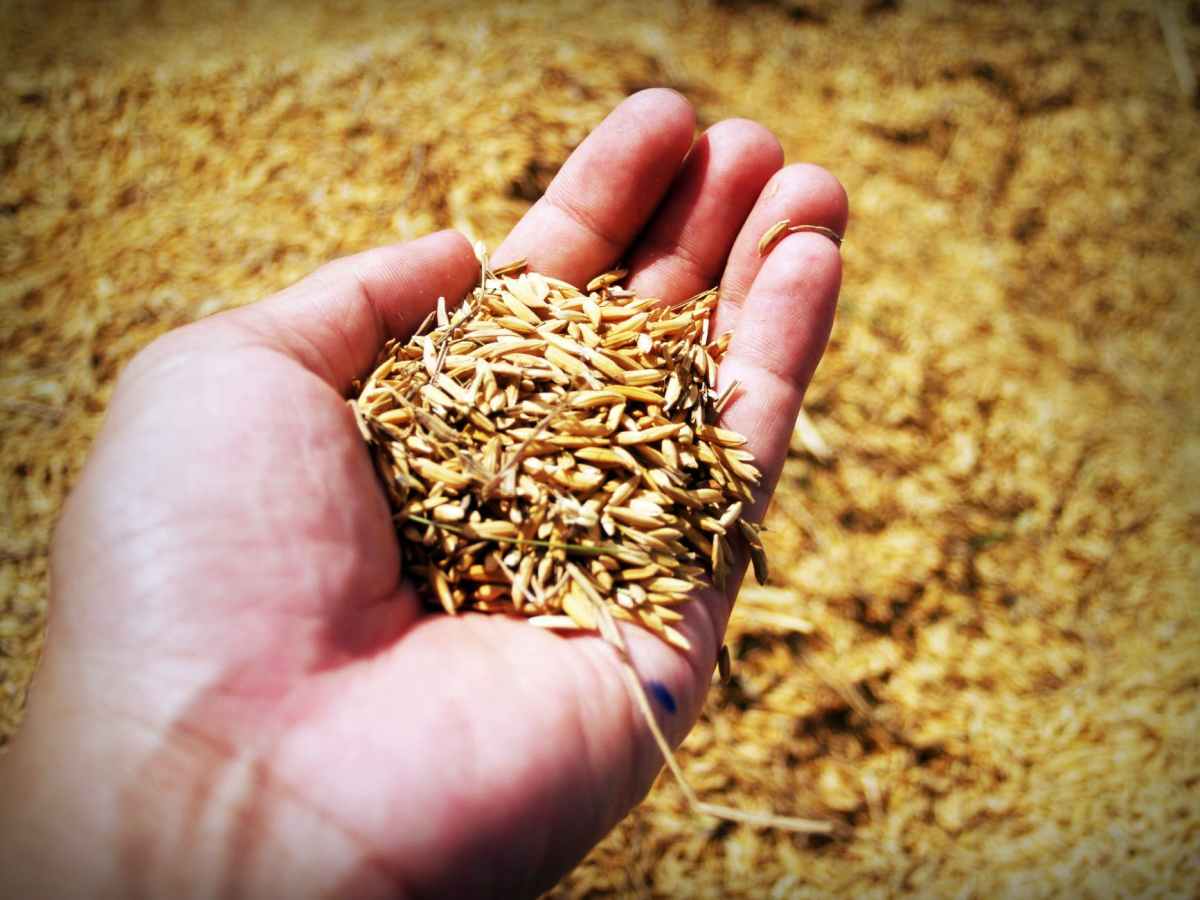
The B vitamins can be found in a variety of foods.  In fact, most are found in foods of animal origin, such as chicken, beef, fish, eggs, cheese, or milk.  However, you can also get your fair share from whole grains and whole wheat products, spinach, soybeans, lentils, broccoli, nuts, and brown rice.  Since these vitamins are water soluble, not having enough is more common than having too much.  Usually, the excess amount will just spill over into the urine and get excreted.  Deficiency of B vitamins has been known to cause anemia, low energy levels, spina bifida in babies, unexpected weight loss, mental confusion, and emotional disturbances.

Do you need help with making sure that you are eating a well-balanced diet?  Are you are missing some key vitamins because you are skipping food groups?  No worries! I can help you get back on track. Schedule a consultation so we can begin to address your needs.  Now is the time!

What do you know about Vitamin K?

Vitamin K is the fourth and final fat-soluble vitamin.  Vitamin K is actually a generic name for a group of vitamins known as quinones.  Though it plays a part in the bone mineralization process, Vitamin K is probably most famous for its role in the blood clotting process.  Those taking warfarin (Coumadin®) do so to prevent dangerous blood clots from forming. While on this medication, the patient is usually followed by a medical team that monitors the viscosity, or thickness, of their blood.  Another component that is watched closely is the amount of Vitamin K that is eaten on a regular basis. This is measured using the prothrombin time (PT) – the amount of time it takes to form a blood clot. Contrary to popular belief, you do not have to avoid foods that are high in Vitamin K completely; in fact, it is recommended that individuals taking warfarin maintain consistent levels of the vitamin.  Vitamin K mainly comes from leafy, green vegetables, which have many other health benefits.

Here are some popular sources of Vitamin K:

  • Broccoli
  • Kale
  • Parsley
  • Spinach
  • Canola Oil
  • Olive Oil

spinach.jpg

Supplementing with Vitamin K is not necessary as deficiency is rare, though a supplemental dose may be given to those who have received too much warfarin and are at risk of excessive bleeding.  However, deficiency is common in newborns; since Vitamin K does not cross the placenta easily, they are given a single injection of the vitamin at birth in order to boost their levels. Deficiency is also common in those who have trouble absorbing fat, those who overconsume alcohol frequently, and those who have a chronic, gastrointestinal disorder (e.g. Crohn’s Disease).  Additionally, excess amounts of Vitamins A and E can block the absorption of Vitamin K.

I cannot stress enough how important it is to meet with a health professional and attend follow up appointments, especially if you are considering taking supplements.  Self-medicating can sometimes put you in a position that is worse than where you’ve started, and you will save a lot of time and money by speaking with trained professionals first.

If you are concerned about your nutritional status, or would like to make sure that you are getting your fair share of vitamins, schedule a consultation with me today!

Let’s Talk About Vitamin E

Our third fat-soluble vitamin is Vitamin E.  In contrast to Vitamin D, deficiency with Vitamin E is rare.  There are two major types of Vitamin E; alpha tocopherol and gamma tocopherol.  Vitamin E is really important for the way that our immune system functions because it provides us with antioxidants.  Antioxidants help to protect us from harmful agents in the body, such as free radicals which promote cancer and Alzheimer’s.  Vitamin E also decreases the risk of cardiovascular disease.  If you are experiencing joint or muscular pain, making sure that you consume foods high in Vitamin E will help bring relief because of its anti-inflammatory properties.

Foods that are considered great sources of Vitamin E include:

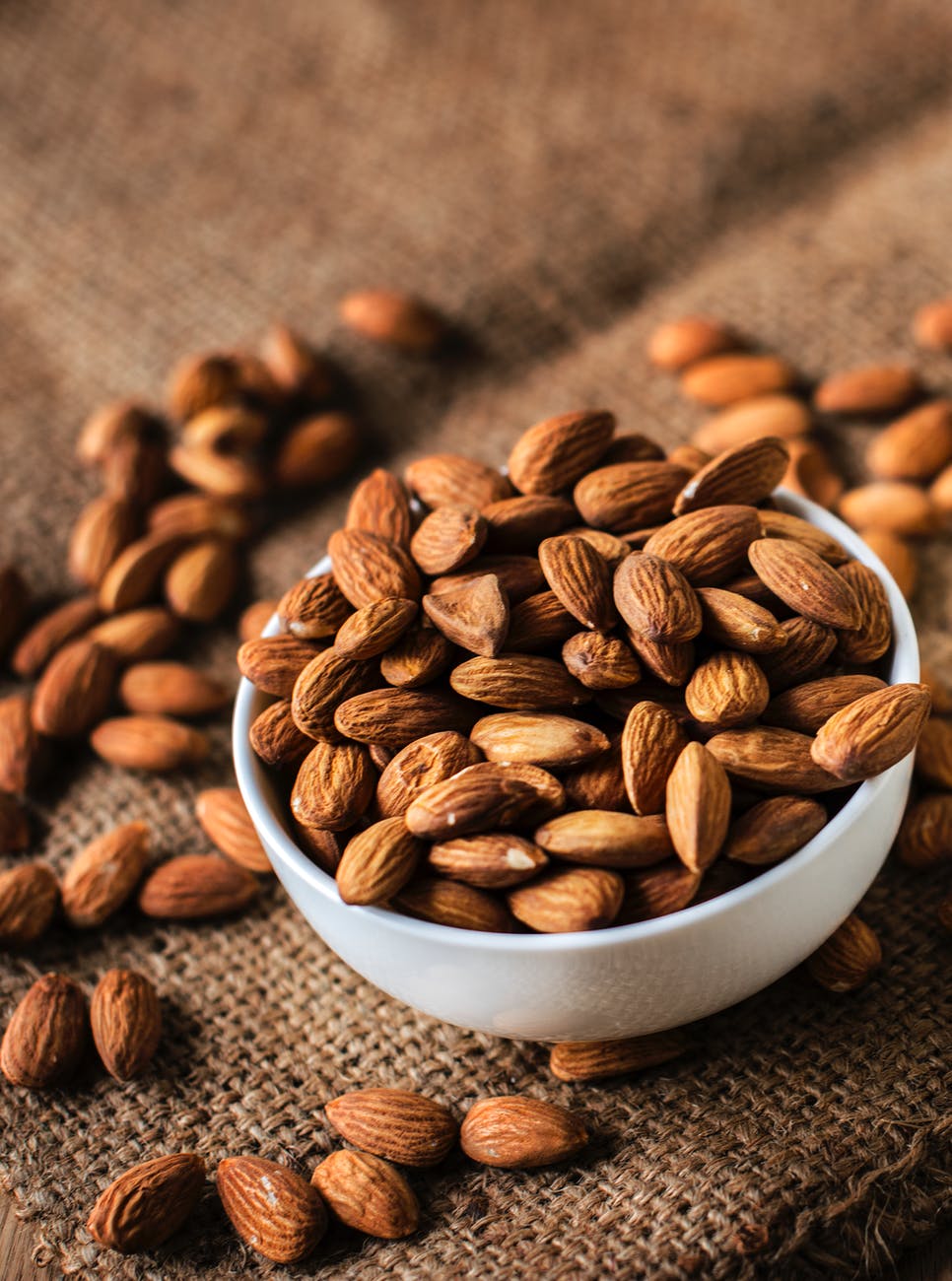
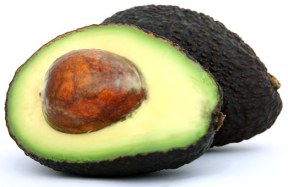
  • Wheat Germavacado
  • Açai berries (not the juice)
  • Avocado
  • Almonds
  • Milk
  • Sunflower seeds
  • Safflower oil
  • Green leafy vegetables

It is recommended that adults get about 15mg of Vitamin E daily.  The recommendations are the same for both males and females.  A deficiency in Vitamin E is usually due to genetics or problems with absorption in the small intestine.  Although deficiency is rare, if you have problems absorbing fat (e.g. Crohn’s, Cystic Fibrosis, removed gall bladder, etc.) then you are more at risk for not having adequate amounts.  Symptoms of deficiency include neuropathy (tingly feeling), retinal (eye) damage, or muscle weakness.  Please seek professional advice before taking any supplements for this vitamin, as having too much Vitamin E can prevent Vitamin K from doing its job, and this can result in excessive bleeding, ulcers, slow wound healing, or the onset of a hemorrhagic stroke.  Always speak with a health professional before taking any supplement.

If you want to make sure that you are getting enough daily Vitamin E, start by examining the foods that you are eating.  Use the list above to find ways to incorporate Vitamin E into your diet if you are not doing so already.  Eat something rich in Vitamin E every day and you should be good to go!

5 Reasons Why You Could Be Deficient in Vitamin D

Vitamin D is another fat-soluble vitamin that is essential to the diet.  Like Vitamin A,  Vitamin D is not active in the body in its natural state.  This vitamin must go through two processes before it is of any use to our bodies – the first happens in the liver and the second happens in the kidneys.

We always hear that Calcium builds strong bones, but here’s a little known fact: Vitamin D is the reason why Calcium is absorbed in the bones!  Vitamin D is crucial for bone growth and remodeling.  Without it, our bones would be weak, brittle, and easily broken.  Along with building bones, Vitamin D is responsible for maintaining a healthy level of Calcium and Phosphate in the blood, which is really important for bone mineralization.  Vitamin D and Calcium work together to promote strong, healthy bones and protect us from conditions like osteoporosis.  In addition to being vital for cell growth and maturation, other functions of Vitamin D include improving our immune systems, decreasing the risk of inflammation in the body, and improving insulin sensitivity (meaning it will help to lower blood sugar).sunlight

Now that you know how important Vitamin D is and why, let’s look into some reasons that deficiency is so common.

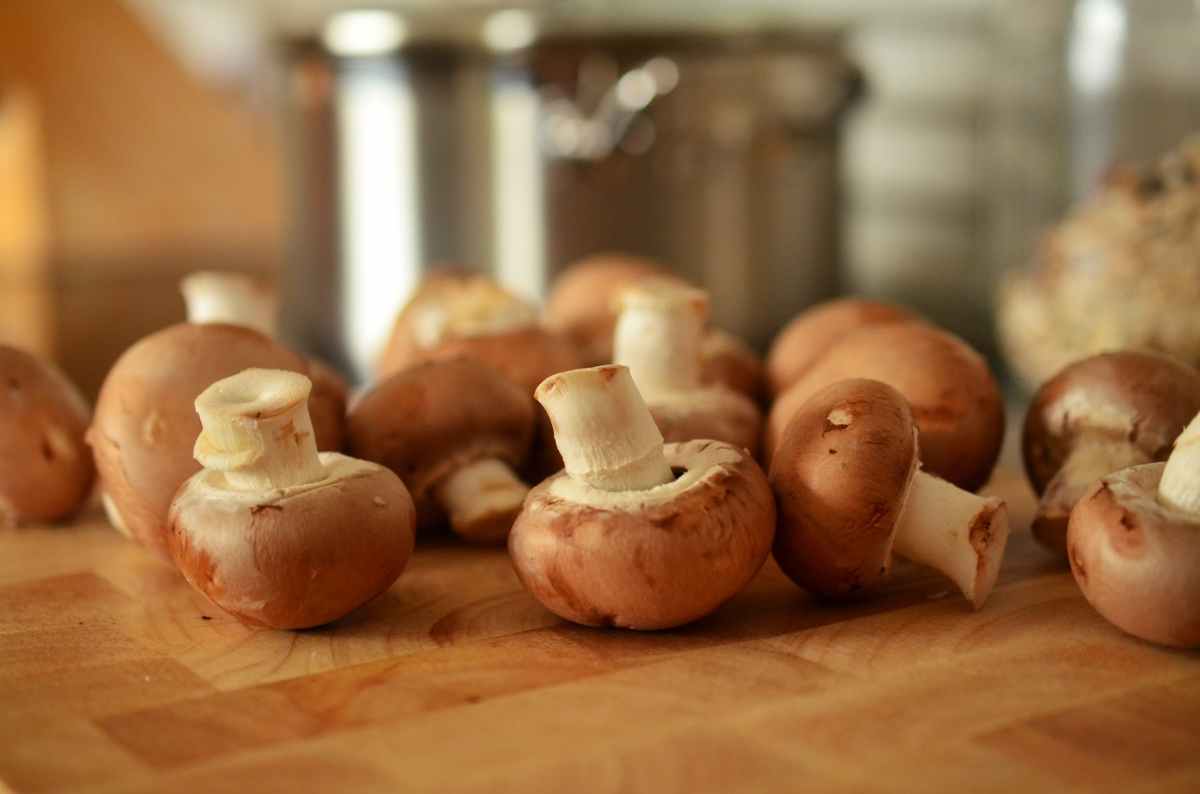
  • Vitamin D is very rarely found naturally in foods!  Most foods must be fortified with Vitamin D, meaning that food manufacturers have to add it to our food before it’s packaged and placed on the shelves at our favorite grocery stores.  Although Vitamin D is not widely available, there are a few foods that are considered great sources for it, including fish liver oils, fatty fish, dairy, mushrooms, and eggs.
  • The best source of Vitamin D is not found in food at all.  It comes from the UV rays that are emitted by the sun.  Those of us with a darker skin pigmentation have a harder time absorbing the rays than our lighter-pigmented counterparts. Additionally, living in an area that does not get consistent sun exposure puts us at risk for deficiency as well.  Getting about 10-15 minutes of exposure to the sun is a good way to get your daily dose of Vitamin D.
  • Vitamin D levels in breast milk are directly related to the mother’s Vitamin D status. This means that if the mom is low in the vitamin, her milk will hold insufficient amounts, and vice versa.  Maintaining adequate levels of Vitamin D in pregnant and lactating women will decrease an infant’s risk of deficiency.
  • When an individual undergoes gastric bypass surgery, the upper part of the small intestine is no longer in use.  Unfortunately, the upper small intestine is where Vitamin D is absorbed, so these individuals must supplement with the active form of the vitamin.
  • Vitamin D absorption is dependent upon the body’s ability to utilize fat.  If a person has difficulty absorbing fat due to a medical condition, they are at increased risk of deficiency.  Fat malabsorption is most common in those with some type of gut inflammation, including those with Crohn’s Disease, Celiac Disease, Diverticulitis, Cystic Fibrosis, or Liver Disease.

As you can see, Vitamin D is a crucial factor when it comes to improving or maintaining our health, and there are several groups of us who are at risk for deficiency.  To learn more about additional roles of Vitamin D, the risks of deficiency, recommended amounts, and supplementation, click here for my free educational download!

If you are at risk for Vitamin D deficiency, schedule a consultation with me so that we can take a look at your habits and make some adjustments!