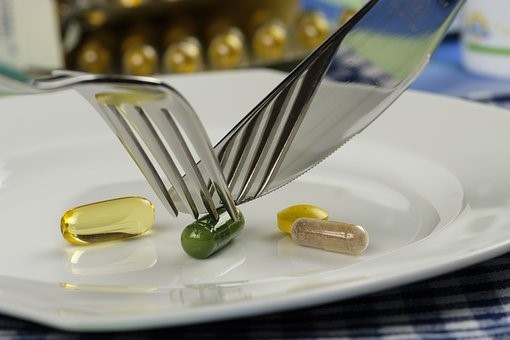
9 Health Conditions that are Connected to Zinc

Zinc is the mineral responsible for supporting enzymes and the immune system. It also helps with wound healing and the enhancement of your ability to taste and smell food. Zinc is important for the synthesis of DNA, which makes it a crucial nutrient for growth and development, especially while in the womb. There are some medical conditions that could be worsened if zinc levels are not at optimal levels. Take a look at some of the conditions/diseases affected by low levels of the trace mineral:

  • ADHD: Decreases melatonin and serotonin production leaving you more active. This has an affect on how information is processed in the brain making it difficult to concentrate.
  • Autism: Impairs a protein responsible for removing heavy metals from the body. Leads to a build up of toxic mercury in brain tissues.
  • Depression: Decreases effectiveness of antidepressant medications.
  • Diabetes: Impairs the synthesis, storage, and secretion of insulin. Insufficient pancreatic protection from any type of damage.
  • Cholesterol: Promotes vascular inflammation and decreased production of HDL (heart-protective cholesterol).
  • Gastrointestinal Health: Increased intestinal permeability, meaning that more toxins and harmful agents can get into the gut and cause damage and/or pain.
  • Hypertension: Causes constriction of the blood vessels.
  • Inflammation: Increases pro-inflammatory chemicals in the body.
  • Sleep: Decreased sleep duration/quality.

Zinc can be found naturally in foods and is sometimes added to other foods or non-edible substances. Probably the most common food that contains zinc is oysters. Don’t worry, if you are not a fan, here is a quick list of more foods high i

  • Red Meat
  • Poultry
  • Beans
  • Nuts
  • Whole Grains
  • Fortified Cereals

As you can see, zinc is a crucial mineral for the body. Some of the most widely known conditions are affected by this mineral, but we are not aware! I can help you make sure that you are getting plenty of vitamins and minerals every day. I will help you reach your health goals and get you feeling better. If you would like a nutrition consultation, I am offering a free 30 min session. Click here to get on my schedule! I would love to help you find some answers.

 

What You May Not Know About Iron Deficiency

Iron is the mineral that is responsible for giving blood its red color.  This mineral is important because it helps build a protein that carries oxygen throughout the body.  Our organs and muscles need oxygen in order to function properly, so when our iron levels drop, sufficient levels of oxygen are not being delivered, and we begin to feel weak, tired, or dizzy.  A low iron level is also known as iron-deficiency anemia.  This type of anemia is usually diagnosed when there is a low level of red blood cells present. There are 2 types of anemia – iron-deficiency anemia and pernicious anemia.  Of course, iron-deficiency anemia is the lack of sufficient iron in the blood.  Pernicious anemia, on the other hand, is the lack of sufficient, healthy red blood cells (due to vitamin B12 deficiency).  If you are anemic, be sure to know which type of anemia you have so that you can treat it appropriately.

blood

Iron can be found in a variety of foods, especially meats.  If you are vegetarian or vegan, it is important to make sure that you eat non-meat dietary sources of iron each day.  Here is a list of foods that are high in iron:

  • Lean red meat
  • Turkey or chicken
  • Fish
  • Eggs
  • Pulses (beans, peas, lentils, etc.)
  • Nuts
  • Tofu
  • Leafy green vegetables (especially kale)
  • Broccoli

When iron and calcium compete for absorption, calcium will win.  This means that you will not be able to absorb iron when consuming it with calcium-rich foods.  However, foods that are high in vitamin C will improve your absorption of iron.

As always, speak with a health professional before taking an iron supplement.  With this mineral, there is such a thing as having too much.  You also want to be sure that the treatment method is actually working.

As a health professional, I help clients to improve their overall health.  Contact me for your free consultation – I would love to work with you!

The importance of chloride in the body

Chloride is a mineral that is most often found in table salt (NaCl) and processed foods.  Chloride is needed by our bodies to form stomach acid.  The mineral is also needed in order to maintain our bodily fluid levels.  We need to replenish our chloride stores daily because it is routinely secreted through bodily fluids.  A deficiency of chloride is not common, but can be detrimental to our health if not properly maintained over time and in adequate amounts.

salt

Bodily Fluids

Sodium and chloride work together to maintain a healthy level of bodily fluids.  When sodium levels are elevated, so are the chloride levels, and this can lead to increased blood pressure or fluid retention.  An elevated chloride level can also lead to dehydration and, potentially, a visit to the hospital.

Stomach Acid

Stomach acid is made up of hydrochloric acid.  That is why people with reflux may, at times, experience the uncomfortable burning sensation in their throat.  The acid in our stomach breaks down the food that we eat, so if the acid levels are low, this process is drastically slowed.  As a result, the stomach is slow to empty, leaving the person feeling very uncomfortable or like food is “sitting in their chest.”  The slow emptying of the stomach also slows down the metabolism and ultimately leads to gastric reflux or gastroesophageal reflux disease (GERD).  Persistent reflux and damaging effects of the stomach acid can also cause tooth decay and destruction of the esophagus.

Chloride is also partially responsible for maintaining the acid-base balance in the stomach.  As food is digested, the pH level changes.  A low pH level in the stomach triggers the release of pepsin, which breaks down the proteins that we eat.  A lack of chloride could inhibit the digestion of proteins which leads to, among other things, muscle breakdown or waste.

cropped-fad-diet.jpg

As a food relationship expert, I am happy to consult with you and help you to reach your health goals.  Let’s work together and sort through your dietary habits to find what method works best for you.  Send me an email or schedule a consultation.  I’m waiting on you!

Magnesium the Mood Mineral: Can it Help With Depression or Autism?

Magnesium is a mineral that the body needs to perform close to 300 reactions.  This includes, but is not limited to: muscle and nerve functioning, maintaining a regular heart rhythm, supporting the immune system, building strong bones, and regulating other vitamins and minerals such as calcium, copper, zinc, potassium, and Vitamin D.  We can find this essential mineral in foods like green vegetables, beans, peas, nuts, seeds, and unprocessed whole grains.  If you are not eating any of these foods consistently, it is likely that you are deficient in this essential mineral.  Here are some conditions that you may not know are negatively affected by a lack of magnesium:

  • Autism and ADHD:  Low magnesium levels lead to poor control of emotions and hyper activity.  A healthy blend of magnesium and Vitamin B-6 improve some clinical symptoms such as social interaction and communication, physical aggression, and the inability to focus/pay attention.  When supplementation with Vitamin B-6 and magnesium was terminated during a clinical trial, symptoms worsened.
  • Insomnia:  Lack of magnesium in the diet promotes poor sleep quality. Magnesium acts like melatonin and helps to prevent insomnia and restless leg syndrome.

insomnia.jpg

  • Depression:  A magnesium deficiency causes damage to receptors in the brain that are responsible for regulating our mood.  Studies have shown that magnesium supplementation has similar effects of an anti-depressant.
  • Gastrointestinal issues:  Magnesium promotes the production of good bacteria in the gut. There is also speculation that it assists with the prevention of stomach ulcers.  When magnesium levels are low, we are more likely to experience symptoms of irritable bowel syndrome.

While magnesium deficiency is common, there are some medications that further increase the risk.  The low levels induced by medications can cause sleep disturbances, cardiovascular problems, osteoporosis, cramps, PMS, and asthma. Below are some medications that are known to reduce magnesium in the body:

  • Antacids/ulcer medications
  • Antibiotics
  • Female hormones
  • Anti-inflammatory medications
  • Diuretics
  • Antiviral agents

As you can see, magnesium is a crucial mineral for the body that is not often discussed by health professionals.  Some of the conditions for which we take medication could actually be making things worse.

If you would like a nutrition consultation, I am offering a free 30 min session.  Click here to get on my schedule! I would love to help you find some answers.

5 Reasons to take Potassium Seriously

Potassium is a mineral used by almost every organ and system in the body.  We find this mineral in the foods we eat.  Outside of preventing and alleviating muscle cramps, research shows that potassium has many other benefits to our health.  Here are some of the benefits of the mineral:

  • It decreases the risk of high blood pressure, especially if the diet contains high amounts of sodium.  High blood pressure is a risk factor for strokes and heart disease.
  • It decreases the risk of developing kidney stones.
  • It improves bone health.  When potassium levels are low, our bones start to leak calcium, which then deposits into the kidneys.  Getting enough potassium increases our bone density.
  • It helps to control blood sugar.  An inadequate intake of potassium can lead to a prolonged increase in blood sugar.  This can cause insulin resistance in the body, which is a major contributor to Type 2 Diabetes Mellitus.
  • It decreases the risk of pica (the craving for non-food items).  Individuals with low potassium may crave or eat clay.

Here are some foods that are naturally high in potassium:

  • Bananas
  • Oranges
  • Leafy green vegetables
  • Tomatoes
  • Beans
  • Potatoes

Some signs that your potassium levels are low include tiredness, muscle weakness, feeling ill, the inability to focus, an irregular heart beat, or increased urination. While our body will filter out any extra potassium into our urine, some people are at risk for having too much in the blood stream.  Those most commonly at risk for this are people with chronic kidney disease.  A supplement is not usually necessary, so please speak with a health professional before considering one.

As a Registered Dietitian, I am a health professional, and for the month of October, I am offering FREE consultations to potential clients!  Click here to get on my schedule – I’d love to help you achieve your health goals.