7 Foods High in Phosphorus

Phosphorus is the second most abundant mineral in the body.  Most of the phosphorus is stored in the bones and teeth because it is essential for their formation.  However, this mineral is needed by every single cell in the body because phosphorus makes up the outer layer of the cell.  Once consumed, phosphorus is absorbed in the small intestine, and any extra phosphorus is filtered out by the kidneys and excreted in the urine to prevent toxic effects.  Those who have kidney failure are at risk of increased phosphorus levels in the body, and this could potentially lead to heart problems.

Dietary deficiency, or low phosphorus levels, is uncommon.  Some symptoms of low phosphorus include muscle weakness, numbness of the fingers and toes, and loss of appetite.  PLEASE seek medical attention before increasing your phosphorus levels or taking a supplement, as exposing your body to too much will overwork the kidneys, and they don’t like to be overworked.  Do you?

There are plenty of dietary sources of phosphorus.  Here are a few healthy foods to consider eating to make sure that you meet your daily recommended amounts:

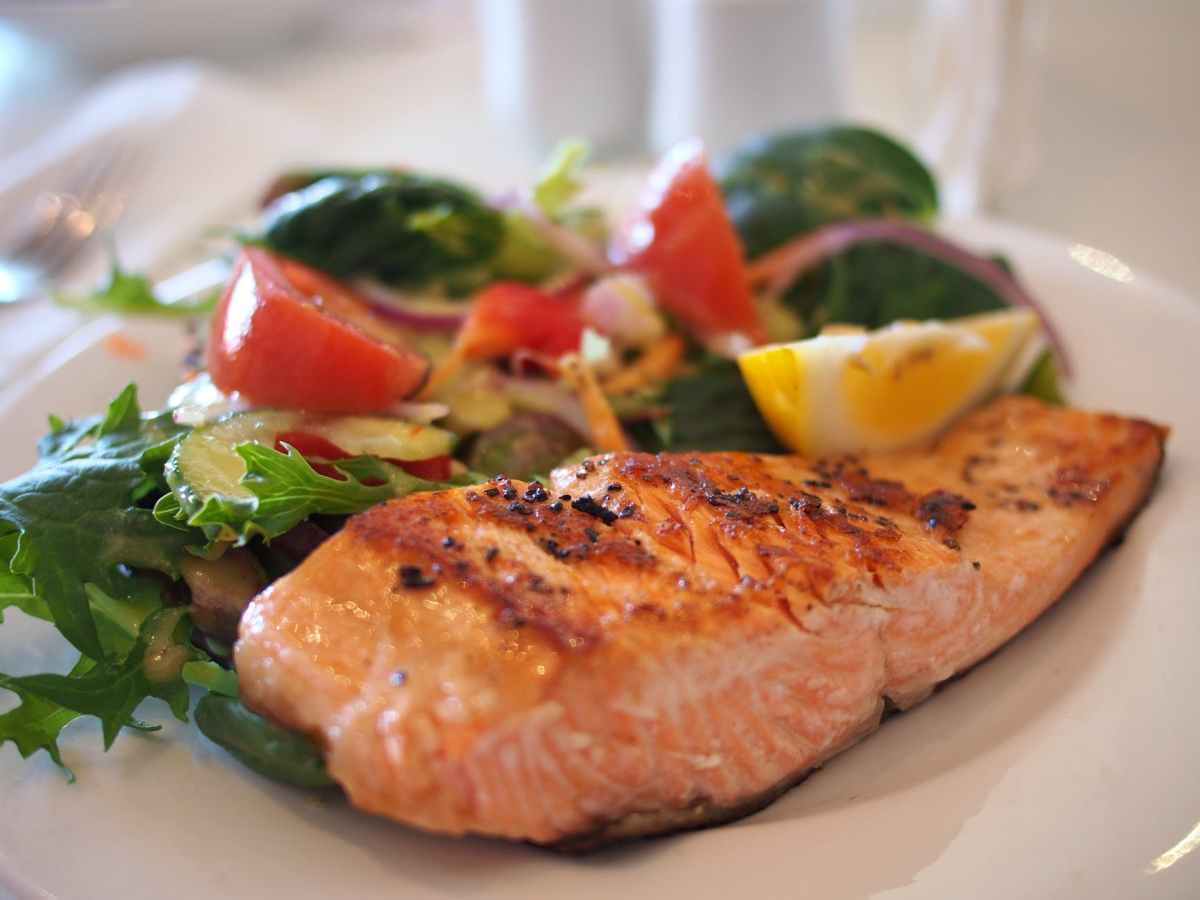
  • Salmon
  • Plain yogurt
  • Skim milk
  • Chicken breasts
  • Almonds
  • Cooked lentils
  • Boiled eggs

As I often mention, it is so important to eat your colors throughout the day – this is how we ensure that we are getting the various vitamins and minerals we need in our diets on a consistent basis.  If we only focus on one food group or one color, we put ourselves at risk for deficiency and/or toxicity.  If you need help finding some balance in your diet, schedule a consultation right away – I am ready to help!


Please (DON’T) Pass the Salt?!

Sodium, commonly known as salt, is an essential mineral that is needed by our bodies. Unfortunately, we typically consume way too much of this element. It doesn’t help that a vast majority of the foods that we normally eat contain sodium, especially fast, convenient, processed, and canned foods.  If you are not careful, your daily sodium allowance can be quickly reached by simply eating a can of soup and some crackers. Additionally, how we season our foods can contribute to excess sodium intake.  Most are not aware of the sodium that is included in many of the seasonings that we use.  This is especially true for seasoning blends (e.g. meat seasonings, dry rubs, etc.). Too much sodium in the diet is very dangerous to our health, and can lead to problems such as:

  • Stroke
  • Heart disease
  • Hypertension (high blood pressure)
  • Headaches
  • Edema (swelling of the ankles, feet, and fingers)
  • Fluid retention (in the chest area and extremities)
  • Weight gain

Some of the issues with high sodium intake are obviously more life threatening than others, however, all of the risks should be seriously considered.  Sodium, sugar, and fat are the three ways that manufacturers flavor food. If one item is removed, the other two are usually increased in order for the food to maintain a desirable taste.  For example, low-fat cheese may have more sodium than the normal, full-fat version. Examples like this are exactly why I strongly recommend eating what you want, just in moderation. It is easy to make an honest mistake which could backfire, all in the name of doing what is “right.”  Instead, simply eat less of the regular cheese and enjoy your smaller portion!

salt shaker.jpg

Would you like to learn how to eat in moderation and with smaller portions?  I now offer an individualized, 90-day package where I work with you and help you to hone these skills.  This program is the perfect fit for those who are looking for healthy, sustainable weight-loss methods that do not require food elimination.  During the 90 days, I also show you how to improve your blood pressure which can potentially decrease or even completely eliminate your use of hypertensive medications.  Purchase a consultation with me and let’s get started – I’d love to help you to achieve your goals!

5 Excellent (Non-Dairy) Sources of Calcium

Calcium is one of the most plentiful minerals in the body.  In addition to bone health, calcium is also responsible for muscle function, nerve transmission, intracellular signaling and hormonal secretion.  The amount of calcium in the blood is tightly regulated by the body.  Only 1% of our body’s calcium is in the blood; the other 99% is stored in the bones and teeth.  If our blood calcium levels are too low, the levels are replenished by using what is in storage.

Age plays a role in the amount of calcium that we absorb.  As a child and adolescent, we are constantly rebuilding bones.  Absorption is high during this stage because we are still growing and are in need of the calcium.  Once adulthood is reached, we are not typically building or breaking down bone mass though, as we age, breakdown exceeds the building of calcium.

Although milk and dairy are the well known sources of calcium, there are other ways to get this necessary mineral.  More and more people are shying away from milk and/or dairy for various reasons, so it is important to be aware of other means of obtaining calcium.  Here are five non-dairy foods that are excellent sources of calcium:

  • Sardines (with the bones)
  • Soy milk
  • Tofu (made with calcium sulfate)
  • Salmon, canned (with bones)
  • Kale

There are some factors that decrease the amount of calcium absorbed by the body and causes us to lose calcium in our urine.  The consumption of caffeine and alcohol causes decreased absorption and loss of calcium.  Vitamin D, on the other hand, increases absorption of the mineral.  When you are at the grocery store, be sure to look for foods that state that they are fortified with calcium.  These are what you will want to select when aiming to increase your intake.

If you have any questions about how to improve your calcium intake, email me! I’d love to hear from you!

Sugar Alcohol

In contrast to the name, sugar alcohols have absolutely no alcohol. Sorry to bust some of your bubbles. Sugar alcohols start off as natural sugars. They originate from fruits like berries, but have gone through some chemical processing.  Sugar alcohols do provide some calories (unlike sweeteners); however, not as many as something like table sugar.  Be careful with foods labeled “no sugar added” or “sugar free”. Read the food label to see if there are any sugar alcohols. Not listed, no problem. What’s the count for total carbohydrates? See a number??  A product containing sugar alcohols will increase the total carbohydrate count.  You can also read the ingredients. Sugar alcohols usually end with ‘ol’ (mannitol, sorbitol, xylitol, etc.). So be ware, especially my diabetics and pre-diabetics. Sugar alcohols do raise your blood sugar😉! Continue reading “Sugar Alcohol”

Alkaline Water

Here’s another buzzword!! Alkaline water was another fad going around and is apparently still relevant. I have seen videos all over social media where a person tests the acidity of assorted brands of water. I have also encountered people who make/sell the water. After digging in a little deeper and researching the topic, I have found some pros and cons to drinking the water.  Let’s talk about what I’ve found.

pexels-photo-113734.jpeg
Photo by Snapwire on Pexels.com

Another reason for the pancreas fails to operate is due to an increase of free radicals in the body.  We always produce free radicals in the body as a by-product of various chemical reactions daily. However, when our body’s pH level is acidic, we promote the formation of more free radicals. Free radicals play a part in creating insulin resistance in the body. Alkaline water can help reduce the number of free radicals in the body, bringing the body from acidic to alkaline.

Although I have tried to provide an explanation of how alkaline water is useful, there really is not enough research or evidence that show proven benefits of the product. Should you choose to drink Alkaline water, make sure that it still has the same minerals of non-alkaline water.

Another thing I must mention, if you are not in control of your diet, your blood sugar will be uncontrolled no matter how much water you drink. You should get an understanding of the basics of diabetes and what happens to sugar in the body. If you or someone you know has been diagnosed with diabetes and you want to learn more about it, you need to purchase my guidebook “Sugar Shock(er)”. Sugar Shock(er) CoverThis guidebook is a simple download that will walk you through how different types of sugar is processed in your body. It will also provide you with a food log and list and sample recipes that are low in sugar. This is a small fraction of what it would cost to meet with a health professional and you don’t need an appointment! Email me with questions, if you have them!