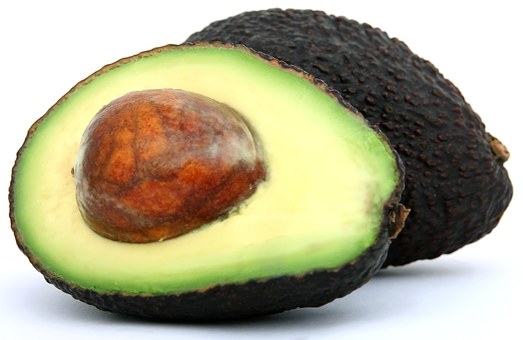
Fat-Is it really necessary?

A topic that makes us often roll our eyes: fat.  While a lot of us complain about having too much fat, others can rightfully grumble about not having enough. Wouldn’t it be nice if we could just give our excess to those who want it? Besides making us gain weight, what is its purpose? Do we need to eat fat?

Believe it or not, we need fat. It keeps our skin from looking dull, ashy, and dry. It also helps our bodies absorb fat-soluble vitamins like A, D, E, and K.  Additionally, fats are important for hormone production, cell growth, protecting the organs, and keeping our bodies warm. Continue reading “Fat-Is it really necessary?”

Protein

Last week we focused on the macronutrient carbohydrate. This week we will be discussing proteins. Proteins are chains of amino acids, or building blocks, and there are 20 different amino acids.  Proteins vary in length and composition, which means that not all proteins contain the same amount or types of amino acids. For example, you’ve seen a set of Legos®, correct? They come in different colors, shapes, and sizes.  If you were trying to build a structure, you probably wouldn’t use the same size or color Lego® piece to complete your masterpiece.  To give your structure better dimensions or angles, you might use different pieces or possibly even every single Lego® that comes in the bucket!

lego-blocks-2458575_1280

Well, that’s exactly how proteins work! Each individual Lego® is an amino acid, and when different combinations are strung together they form different types of proteins. You can rearrange the order or swap amino acids and get a completely different protein. When we eat the proteins, they are broken down by the body and reduced back to individual amino acids, each of which play a specific role in the body. Continue reading “Protein”

Meet the Carbohydrate

A carbohydrate is a nutrient that our body uses for energy. Carbohydrates (aka carbs, aka CHO) are actually the fastest, most preferred way for our bodies to generate energy. We need different amounts of energy throughout the day, depending on the task we are trying to perform. Think about it – do you use the same level of effort to shower as you do to flip the channel on the television?

FUN FACT:  Did you know that our brain uses carbs for energy?  Talk about food for thought!

Carbohydrates fit in one of two categories: complex or simple.  Complex carbohydrates take a longer time to digest than simple carbs do because they are held in the stomach longer. Complex carbs, also known as “good” carbs, also keep us feeling full and give us more energy. As these carbs are broken down, small spurts of sugar are released over time.  Examples of complex carbohydrates include:

  • Whole wheat and whole grain products
  • Oats
  • Vegetables
  • Foods high in fiber

Continue reading “Meet the Carbohydrate”