
Would you consider your eating habits in or out of balance? Are you bringing anything to the table with you when you eat? For example, are you stressed, angry, or sad? How do you feel after you eat – did the food fill that void or salvage those emotions? Have you attempted dieting only to “blow it” a few days or weeks in? If you can identify with any of the questions above, you are not in control of your dietary lifestyle. Food is controlling you. Continue reading “Mindful Mindset”
Category: Weight Loss
FACT: Weight loss is a struggle
FACT: Weight loss is a journey
FACT: Kwynntessential Solutions has you covered!
These blogs are for those of you wanting to lose weight. Learn more facts weight loss works at your own pace here!
Plant-Based Eating

There is not one, specific way to go about maintaining a plant-based eating lifestyle. In general, plant-based eating means refraining from all – or at the very least, certain – types of animal protein. The great news is that you can make it what you want (within reason, of course)!
Even if you do not want to remove animals from your diet, strongly consider eating plants 5-7 times a week. Here are some options that you can try:
● Vegetarian: No animal protein. Will eat eggs and yogurt.
● Vegan: No animal products. No meat no dairy.
● Lacto-vegetarian: No animal protein. No eggs. Will eat dairy products.
● Ovo vegetarian: No animal protein. No dairy. Will eat eggs.
● Pesco/Pollo vegetarian: No red meat. Will eat chicken or fish.
● Pollo vegetarian: No red meat or fish. Will eat chicken.
Studies have shown that decreasing your intake of animal protein is very beneficial to your health. So, instead of eating meat for protein, consider some plant-based sources. Look at allthat it can do for you:
● Lower bad cholesterol and the risk of cardiovascular disease (CVD)
● Lower blood pressure
● Lower A1c levels and the risk of Type 2 Diabetes
● Lower your BMI
● Lower the use of diabetes, hypertension, and cholesterol medications
Even if you start out slowly with eating plants (i.e. once or twice a week), you will be leaps and bounds ahead of someone who doesn’t. We owe it to ourselves to give it a good, hard try. Start by making the commitment to go meatless for one or two meals each week for the month of July and see how you feel at the end of 30 days. Comment below and let me know your plan, and then check back in and let me know how you did! If you are already doing this, let us know how this is working for you – we’d love to hear your success and others could benefit from your motivation!
Are you looking for ideas on meatless meals??? No worries! I would never leave you hanging like that. You know I am here to serve and make sure you have all the tools you need friend. Email me right away so we can get you on your way to healthier meals. You are so worth it! I am so excited for you to take this next step in your journey!

Clean Eating…What is it???

What does it mean to “Eat Clean?” Are you confused on what you can eat? Have you wanted to try going clean, but aren’t exactly sure what it entails? Clean eating sounds good and healthy, right? Or is it? Does it seem way too extreme? What can you eat?!

Eating clean is indeed a healthier way to go, and it does NOT have to be extreme. In fact, there actually isn’t even a true definition of eating clean! This means that you, yes YOU, can define the terms and boundaries of how clean you want to eat. In general, clean eaters have a goal of limiting their intake of processed foods. This would definitely include things like chips, candy, pop (or soda, or a cold drink, depending on where you’re from), certain juices, frozen pizza, etc. On the other hand, some foods can be processed and good for you at the same time. There are levels to this, and they can be incorporated into your diet as long as it is kept in moderation. Let’s take a look!
- Minimally processed foods: Foods that are “pre-prepped” for convenience such as pre-washed lettuce or spinach, apple slices, roasted nuts or cut vegetables.
- Peak time processed foods: Foods that are processed when they are estimated to have the most nutritional value (peak time) to lock in nutrition, freshness and taste. Examples includes canned tomatoes, frozen fruits and veggies, and canned tuna.
- Foods with added ingredients: Foods that have ingredients added that enhance the flavor and/or texture of a food. These added ingredients may be sugars/sweeteners, colors, spices, or oils, and examples of these foods include spaghetti sauces, yogurt and even brownie mix.
- Ready-to-eat foods: Foods that require little to no additional preparation once purchased. These include things like crackers, granola bars, graham crackers and deli meats.
- Heavily processed foods: Foods or blends of foods that have been severely altered and therefore are not recognizable as a food in its natural state. Examples include potato chips, cookies, frozen meals, candy and pop (soda, cold drink).
If you want to clean up your diet, eliminate these types of foods. You can stop wherever you choose and spend as long as you’d like on any stage.
If you would like additional help, schedule a consultation. Remember: This is a marathon, not a sprint! Anything that you do is better than what you were doing before!
Reference: www.eatright.org
Feed that Appetite
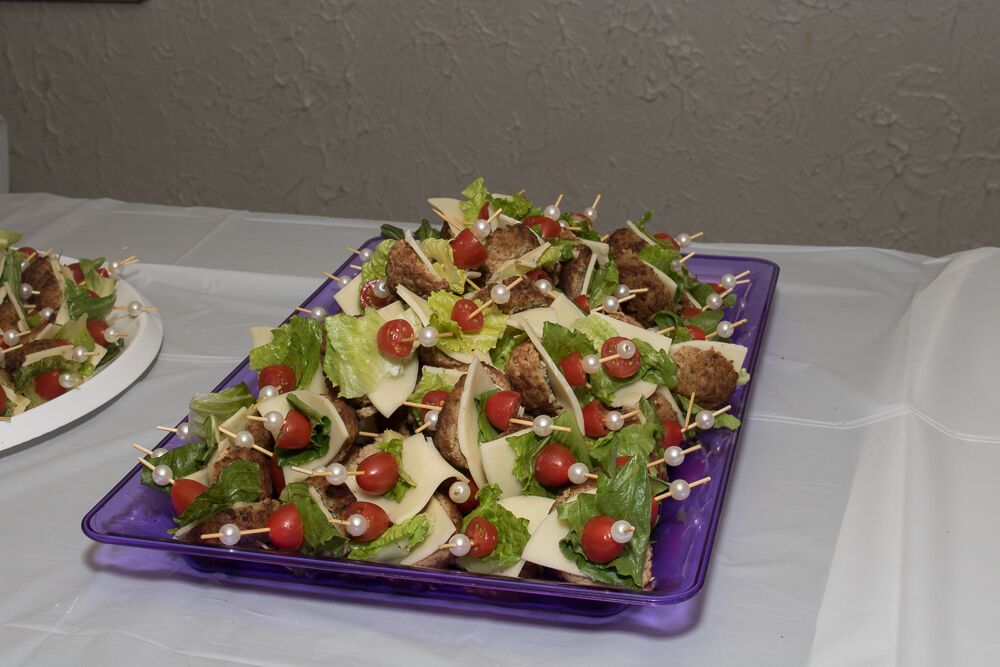
Gaining control of your appetite can be quite challenging. There’s always something that makes you feel the need to eat! You could have just eaten lunch, but let you pass that “HOT” sign at a certain place or see a beautifully plated dish on social media. Next thing you know, your stomach is growling, doing flips and your mouth is salivating at the thought of sinking your teeth into something to eat. Continue reading “Feed that Appetite”
The Keto(genic) Diet

We’ve talked about fad diets and how to spot them. While the Ketogenic (Keto) diet is a true diet with a real purpose, weight loss is not that purpose. The Keto diet is a high fat, moderate protein, low carbohydrate diet. It was originally developed to help control the occurrence of seizures in epileptic children. With this diet, the body is forced to burn fat for energy instead of carbohydrates. To get a better understanding of how this works, read my blog on fat burn. In addition to producing fat for energy, our livers will also make ketone bodies. These ketone bodies are used by the brain for energy. A high amount of the ketone bodies in the blood puts us in a state of ketosis. This state is what helps reduce the occurrence of seizures in epileptic patients, children especially. When patients are on a ketogenic diet, they are followed closely by a team of health professionals.

As stated before, the keto diet, was not designed to aid in weight loss. If you are considering attempting this diet as a form of weight loss, please seek medical advice before starting. Here are some of the negative effects of the diet:
- Constipation
- Increased risk of kidney stones
- Fatigue/Tiredness
- Muscle cramps
Going on a diet is not the best way to make lifestyle changes. As a food relationship expert, I’d be happy to consult with you to find something that best fits your needs. Maybe a meal plan is not what you need. Let me help you sort things out so that you can achieve your goals in a way that is best for you. Send me an email or schedule a consultation. I’m waiting on you!
Sign up for my email list here!
 Kwynntessential Solutions