I scream, you scream, we all scream, for…CRAVINGS!!!

Earlier this month, I talked about appetite, gauging your hunger, and using that to determine what you eat. Another layer to your appetite is cravings. When you are trying to eat healthier and/or limit the carbs and junk food, do you get a craving for something sweet, fatty, or salty that makes you head to your cabinets or pantry for a little piece of happiness? Lord knows I do! In all of my years of a dietitian, I have yet to hear someone say that they crave carrots, Brussels sprouts, or broccoli. That’s why you need to eat something your taste buds are not actually longing for!
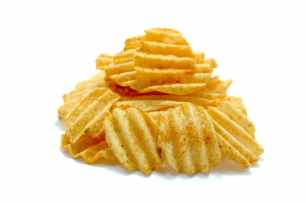
chips close up crisp crispy

Side Note: If you have had those cravings (carrots, Brussels sprouts, broccoli, etc.), let me know in the comments. I want to acknowledge you and let you know how truly special you are!

We crave food for a number of reasons. It could be triggered by something external such as a smell or an advertisement. It could also be an internal cue such as craving for something we haven’t had in a while or something that our bodies are used to having quite often, like caffeine – coffee anyone? Regardless of how you were enticed to lust after the item, a war has just begun between your brain and your gut. Here are some things you can try to help reduce the cravings or even get rid of them:

  • Allow yourself to have a taste
  • Focus on the food or beverage
  • Limit distractions that take your attention away from eating
  • Try to eliminate any triggers (treats in the break room, aromas, commercials, etc.)
  • Slowly wean yourself from any foods to which you may be slightly addicted

cookies on square white ceramic plate

Controlling your minds (because your gut is a second brain) and cravings are a beast! But, once you get better at this skill, you will be able to stop avoiding food, stop dieting, and eat what you want – in moderation, of course.

I am in the development stage of a product that will show you how this is done, and it is going to completely change the way that you look at food. Sign up for my email list so you can be one of the first to know when it is ready! It is going to be a GAME CHANGER!

Plant-Based Eating

There is not one, specific way to go about maintaining a plant-based eating lifestyle. In general, plant-based eating means refraining from all – or at the very least, certain – types of animal protein. The great news is that you can make it what you want (within reason, of course)!

Even if you do not want to remove animals from your diet, strongly consider eating plants 5-7 times a week. Here are some options that you can try:
● Vegetarian: No animal protein. Will eat eggs and yogurt.
● Vegan: No animal products. No meat no dairy.
● Lacto-vegetarian: No animal protein. No eggs. Will eat dairy products.
● Ovo vegetarian: No animal protein. No dairy. Will eat eggs.
● Pesco/Pollo vegetarian: No red meat. Will eat chicken or fish.
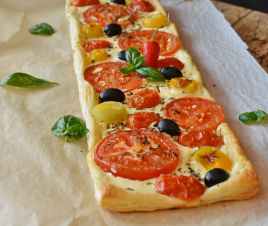
● Pollo vegetarian: No red meat or fish. Will eat chicken.rectangular pizza

Studies have shown that decreasing your intake of animal protein is very beneficial to your health. So, instead of eating meat for protein, consider some plant-based sources. Look at allthat it can do for you:
● Lower bad cholesterol and the risk of cardiovascular disease (CVD)
● Lower blood pressure
● Lower A1c levels and the risk of Type 2 Diabetes
● Lower your BMI
● Lower the use of diabetes, hypertension, and cholesterol medications

Even if you start out slowly with eating plants (i.e. once or twice a week), you will be leaps and bounds ahead of someone who doesn’t. We owe it to ourselves to give it a good, hard try.  Start by making the commitment to go meatless for one or two meals each week for the month of July and see how you feel at the end of 30 days. Comment below and let me know your plan, and then check back in and let me know how you did! If you are already doing this, let us know how this is working for you – we’d love to hear your success and others could benefit from your motivation!

Are you looking for ideas on meatless meals??? No worries! I would never leave you hanging like that. You know I am here to serve and make sure you have all the tools you need friend. Email me right away so we can get you on your way to healthier meals. You are so worth it! I am so excited for you to take this next step in your journey!

you are enough text
Photo by Bich Tran on Pexels.com

Clean Eating…What is it???

What does it mean to “Eat Clean?”  Are you confused on what you can eat?  Have you wanted to try going clean, but aren’t exactly sure what it entails?  Clean eating sounds good and healthy, right? Or is it?  Does it seem way too extreme? What can you eat?!

Clean Eating

Eating clean is indeed a healthier way to go, and it does NOT have to be extreme.  In fact, there actually isn’t even a true definition of eating clean!  This means that you, yes YOU, can define the terms and boundaries of how clean you want to eat.  In general, clean eaters have a goal of limiting their intake of processed foods.  This would definitely include things like chips, candy, pop (or soda, or a cold drink, depending on where you’re from), certain juices, frozen pizza, etc.  On the other hand, some foods can be processed and good for you at the same time. There are levels to this, and they can be incorporated into your diet as long as it is kept in moderation. Let’s take a look!

  • Minimally processed foods: Foods that are “pre-prepped” for convenience such as pre-washed lettuce or spinach, apple slices, roasted nuts or cut vegetables.
  • Peak time processed foods: Foods that are processed when they are estimated to have the most nutritional value (peak time) to lock in nutrition, freshness and taste.  Examples includes canned tomatoes, frozen fruits and veggies, and canned tuna.
  • Foods with added ingredients: Foods that have ingredients added that enhance the flavor and/or texture of a food. These added ingredients may be sugars/sweeteners, colors, spices, or oils, and examples of these foods include spaghetti sauces, yogurt and even brownie mix.
  • Ready-to-eat foods: Foods that require little to no additional preparation once purchased.  These include things like crackers, granola bars, graham crackers and deli meats.
  • Heavily processed foods: Foods or blends of foods that have been severely altered and therefore are not recognizable as a food in its natural state.  Examples include potato chips, cookies, frozen meals, candy and pop (soda, cold drink).

If you want to clean up your diet, eliminate these types of foods.  You can stop wherever you choose and spend as long as you’d like on any stage.

If you would like additional help, schedule a consultation.  Remember: This is a marathon, not a sprint! Anything that you do is better than what you were doing before!

Reference: www.eatright.org


Feed that Appetite

Gaining control of your appetite can be quite challenging. There’s always something that makes you feel the need to eat! You could have just eaten lunch, but let you pass that “HOT” sign at a certain place or see a beautifully plated dish on social media. Next thing you know, your stomach is growling, doing flips and your mouth is salivating at the thought of sinking your teeth into something to eat. Continue reading “Feed that Appetite”